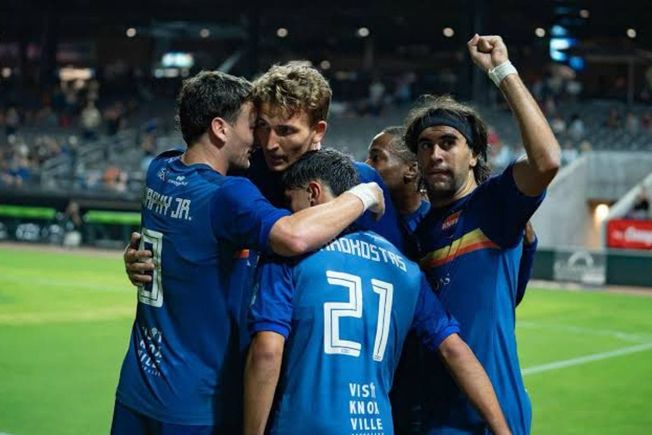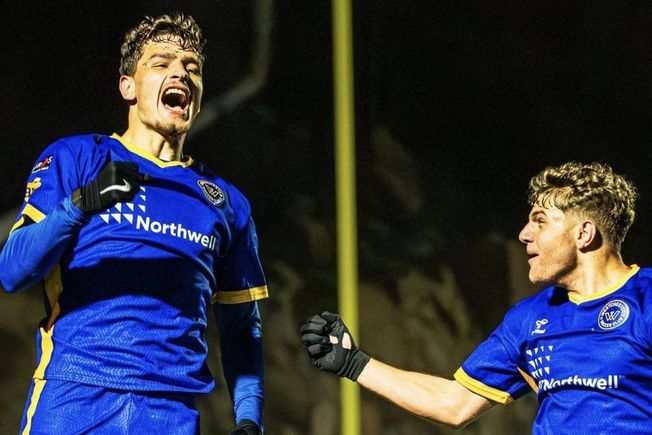
We’re days away from the end of the USL Championship and USL League One regular seasons, capping off a monumental 2026. The USL has continued to push toward major reforms, re-oriented itself at the headquarters level, and seen multiple expansion efforts raise the bar for new clubs. Along the way, it’s been a fascinating season on the pitch – one where the tactical and roster-building landscapes continued to grow more sophisticated.
With all that in mind, it’s a good time to reflect on the year. As we near 2026’s conclusion, what big lessons should we be taking away?
Expansion teams need to go big
The idea that you need to spend money to make money in the USL won’t please owners. Still, if the goal is to build a fanbase and work toward long-term profitability, then you must invest to make it happen. The evidence from 2026’s expansion class (and the second-year results of 2025’s class) have put a fine point on that fact.
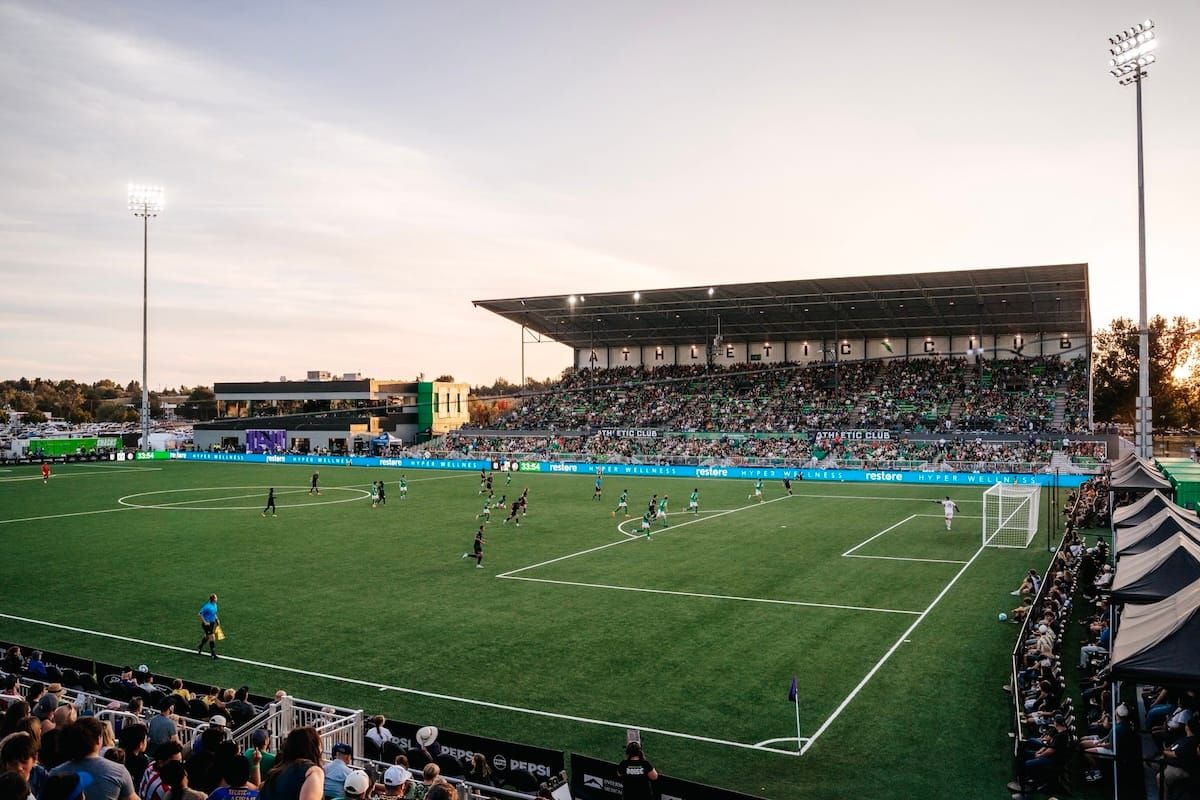
Athletic Club Boise chose to spend on a stadium, devote meaningful resources toward marketing, and put together a highly competitive roster under esteemed manager Nate Miller. Those choices have paid off. Boise began this year in League One, and they’ll be expanding their stadium to join the Championship next fall. In every sense, they’re a model club.
The same philosophy applies in Fort Wayne. There, Fort Wayne FC jumped from USL League Two to USL League One at brand-new Ruoff Mortgage Stadium, building a progressive roster through manager Mike Avery’s lower-league eye and sporting director Ollie Gage’s statistical nous. The returns in terms of attendance – 7,215 for Boise and 3,580 for Fort Wayne – have been commensurate with that outlay.
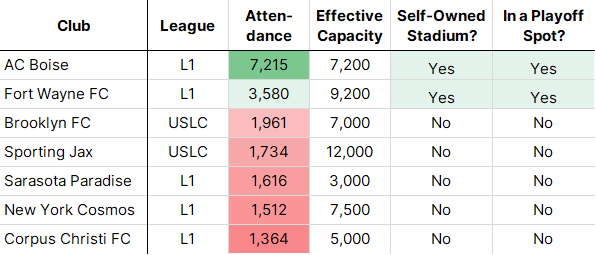
Those League One organizations have been the cream of the crop in 2026 – even when you throw the USL Championship’s two expansion teams into the mix. To simplify that success down to “Boise and Fort Wayne spent on rosters and built stadiums” would be overly reductive, but those factors matter immensely.