Things are about to get real for the U.S. men’s national team – the knockout rounds have arrived and a matchup with Bosnia and Herzegovina on Wednesday in the Round of 32 awaits.
Traditional thinking about the U.S. at World Cups is that the deeper they go, the more overmatched they’ll be. And that’s still largely true. As the field is whittled down to a better crop of teams, the USMNT’s lack of top-end talent will come to the forefront. There's a reason the United States has won just one knockout game in World Cup history – back in 2002. Making a historic run on home soil was always unlikely for the United States coming into the World Cup and remains so, even for all of the highs of the group stage.
The World Cup is here. So is our biggest discount ever.
However, while the odds of reaching, say, the final four are low, Mauricio Pochettino’s team has shown qualities that could help them against strong opposition. Up against the kinds of teams that have enough talent to be emboldened to leave space behind their own backlines, the U.S. could threaten in the attack.
Oddly enough, though Paraguay and Australia aren’t talent-rich teams, both provided a glimpse of what the United States could see in the knockout stages. Against the U.S., they were willing to cede space behind their defense in favor of positioning themselves closer to Matt Freese’s goal. Neither Paraguay nor Australia pressed with any regularity but they didn’t always retreat into a low block, either. Instead, the U.S. had the chance to drill their attacking patterns against mid-blocks.
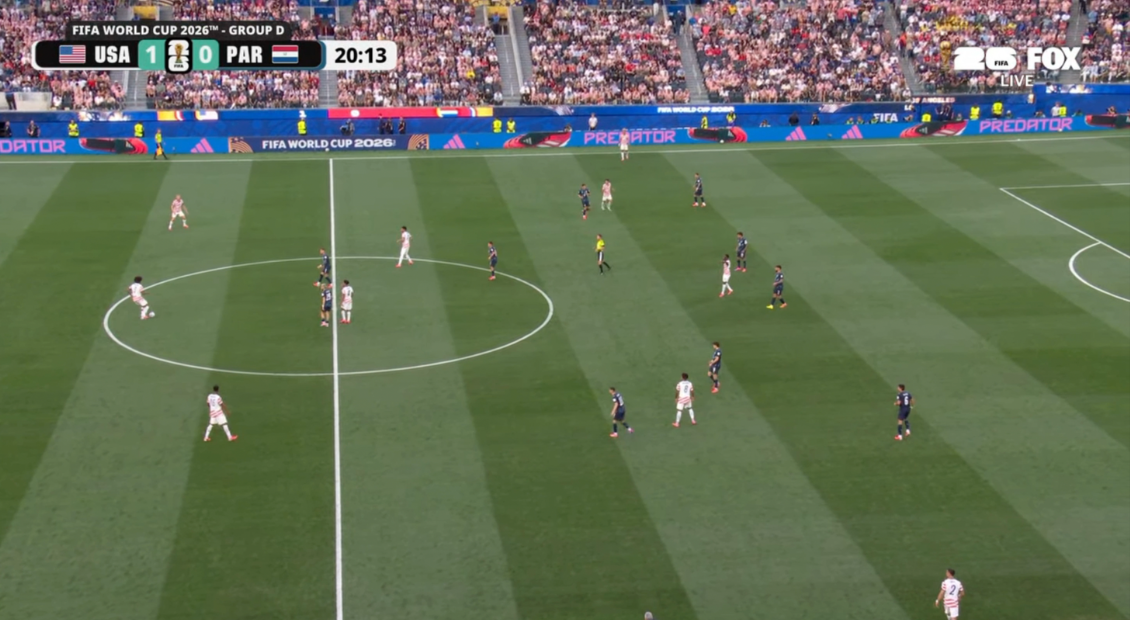
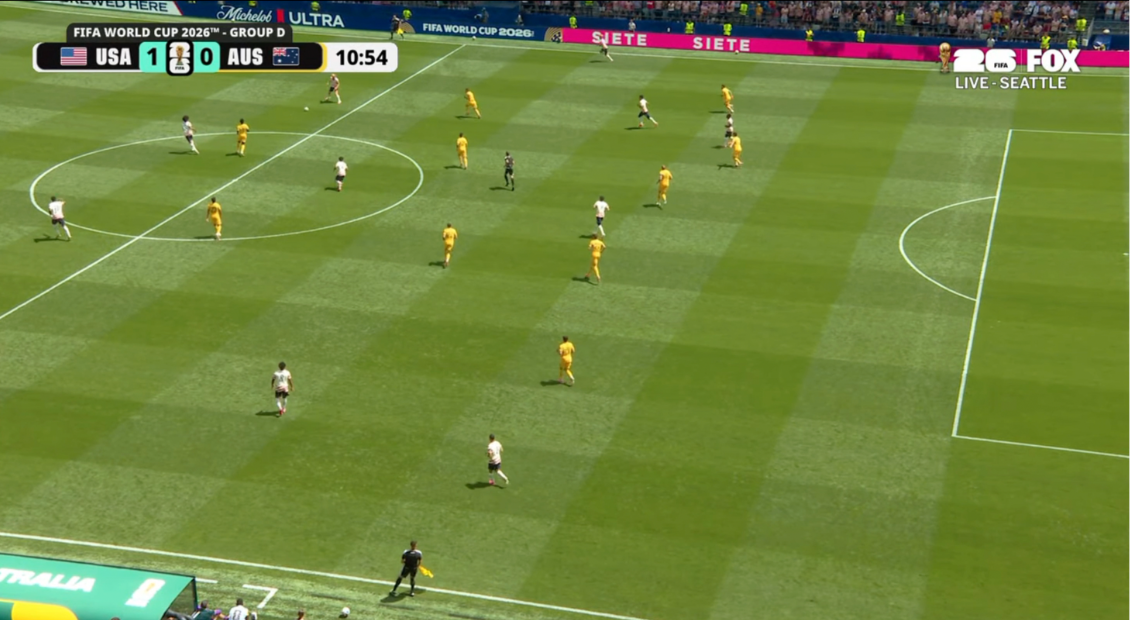
Paraguay and Australia were both willing to push towards midfield against the United States. The U.S.’s knockout opponents could do the same thing.