The USL Championship is consistently inconsistent. No two seasons are alike, and that’s what makes the league so darn interesting. 2026 is no different, and as we reach the halfway point of the season, big trends have already begun to emerge that have set the year apart.
What’s changed in 2026, and how has it altered the Championship’s competitive landscape? I’m breaking down six big trends that have stood out.
Youth deployment is changing
Across all USL competitions, 22 different U21 players have played at least 500 minutes this season. That’s the highest mark in late June since the 2022 season, when the number was still inflated by the youth-centric presence of MLS affiliate clubs.
The World Cup is here. So is our biggest discount ever.
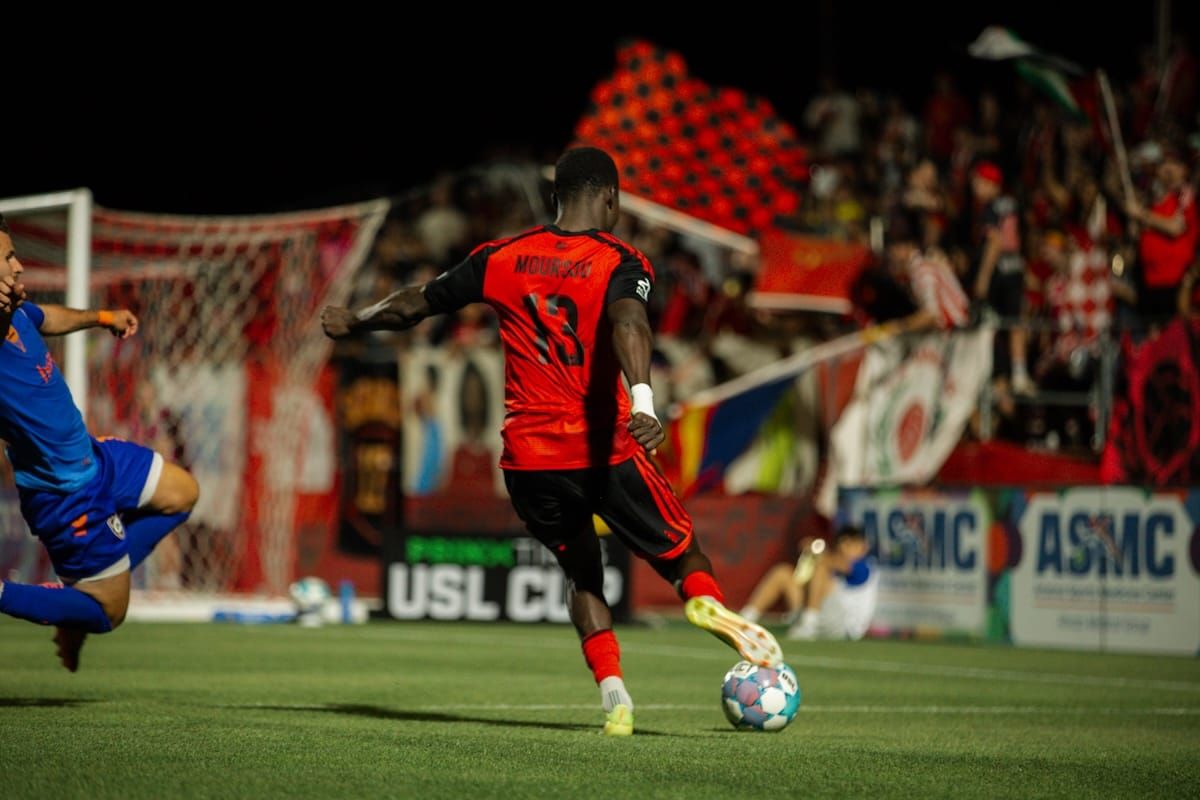
If things feel different in terms of the prospects getting time…well, they are. Among those 22 players, six are on loan from MLS – double the number among high-minute prospects versus last season. Some of the highest-profile players in the group are international signings, which is novel in its own right. U21 standouts like Phoenix’s Jean-Eric Moursou, San Antonio’s Dmitrii Erofeev, and Sacramento’s Aaron Essel were all acquired from Europe.
Moreover, the clubs leaning into young talent have grown more diverse. Orange County is still the premier developmental organization in the USL, but they’ve spread their minutes more broadly in 2026 – even if midfielder Efren Solis and defender Tyson Espy have just broken the 500-minute floor at the halfway point of the year. Beyond OCSC, Monterey (Fernando Delgado and Belmar Joseph, Miami (Mathieu Ndongo and Brandon Bent), and Las Vegas (Carson Locker) have all stepped up to the plate, while clubs like Phoenix have become leaders on the academy front.