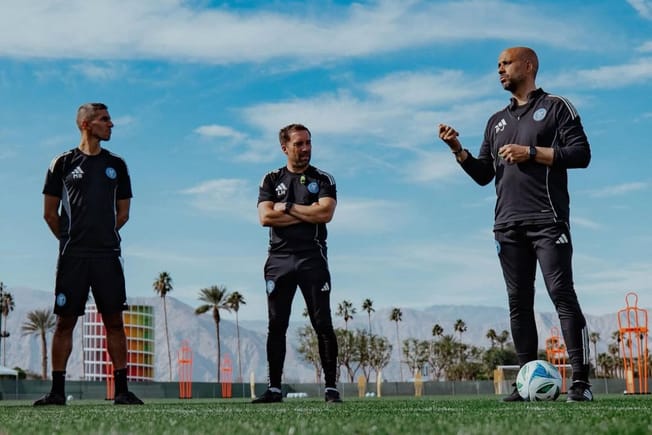
Youth development in MLS has come a long way.
From a disparate collection of teams throwing the occasional young player on the field to most teams having a true pipeline where youth players can develop and graduate to the professional ranks, we’ve seen the Homegrown Rule make an impact in real time. For example, two-thirds of MLS clubs have given at least 2,000 minutes per season to homegrown players over the past five years. 10 of those teams have averaged over 5,000 homegrown minutes per season in that five year span, while the Chicago Fire eclipsed 7,000 and Real Salt Lake with over 8,000 on average.
Now, playing the kids is one thing. But getting real impact from them is another. So, then, who actually gets the most on-field production from their academy products?
I dug into American Soccer Analysis’ goals added (g+) metric to find out, taking the g+ above average of the homegrown players for each individual season and averaging them over the last five years. A few details worth mentioning before we get started: