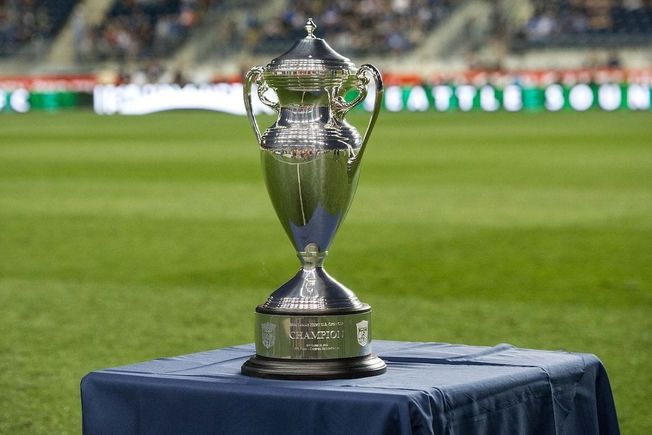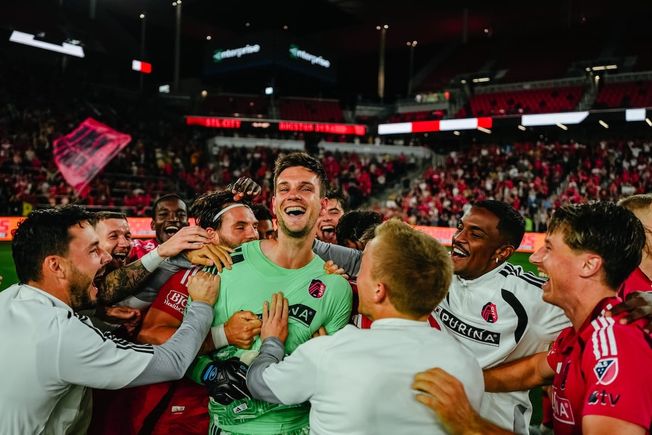
Qualifying for the 2026 U.S. Open Cup began a full year ago in the fall of 2025, and the long road from there led to St. Louis City lifting a trophy on Wednesday night. That shootout win over the Columbus Crew after a 0-0 match was a worthy conclusion to a tournament’s worth of excitement. The 111th edition of the Open Cup didn’t disappoint.
From dramatic upsets to unforgettable goals, what will we remember when looking back on 2026? Let’s dig in.
St. Louis’ gritty triumph
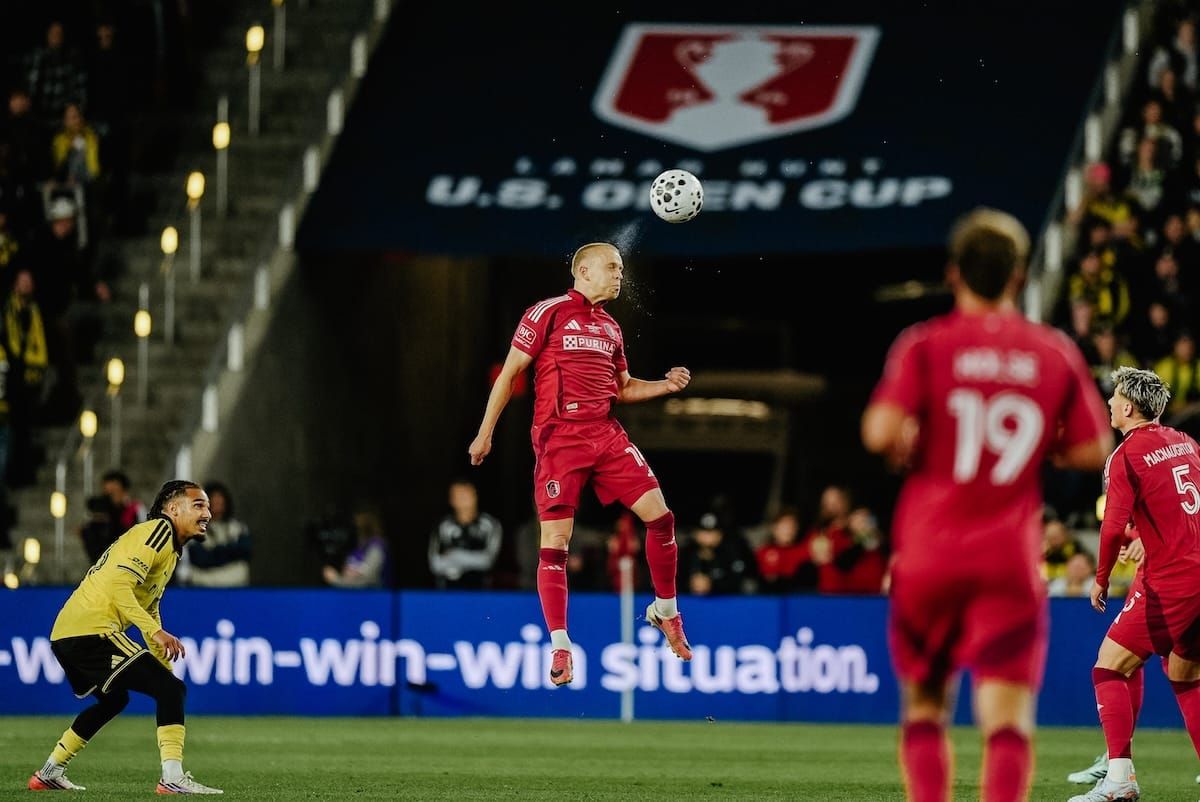
In front of more than 20,000 fans at a sold-out Scotts Miracle-Gro Field, St. Louis won the Open Cup in truly hard-nosed fashion. You might’ve expected Columbus Crew and St. Louis City sides coached by former Wilfried Nancy acolytes to look pretty – and both Columbus and St. Louis came out of the gates trying to play through the opposing press. In the end, a combination of tight marking, aggressive pressing schemes, and a quick whistle made for a feisty final above all else.
Take nothing away from the occasion. The Nordecke was rocking; the sea of yellow was parted by a red wave of traveling St. Louis supporters. CBS brought out the bells and whistles for the broadcast, pinning cameras to drones, referees, and even fans to get as close to the action as possible. The off-field luxuries only served to highlight the on-field tension; this thing felt like a title game.
St. Louis manager Yoann Damet’s press, which ranks second in MLS in terms of passes against per defensive action, was more aggressive than Columbus’ but less effective in action. Chris Durkin and Daniel Edelman – the No. 8s in St. Louis off-ball 5-2-3 – stuck to the Crew’s pivot, but the home side rarely struggled to build through lines. Columbus, by contrast, used a slightly deeper line of confrontation within their own 5-2-3 to better results. The Crew were aggressive yet compact, allowing them to goad out risky passes and control the tilt of the field.
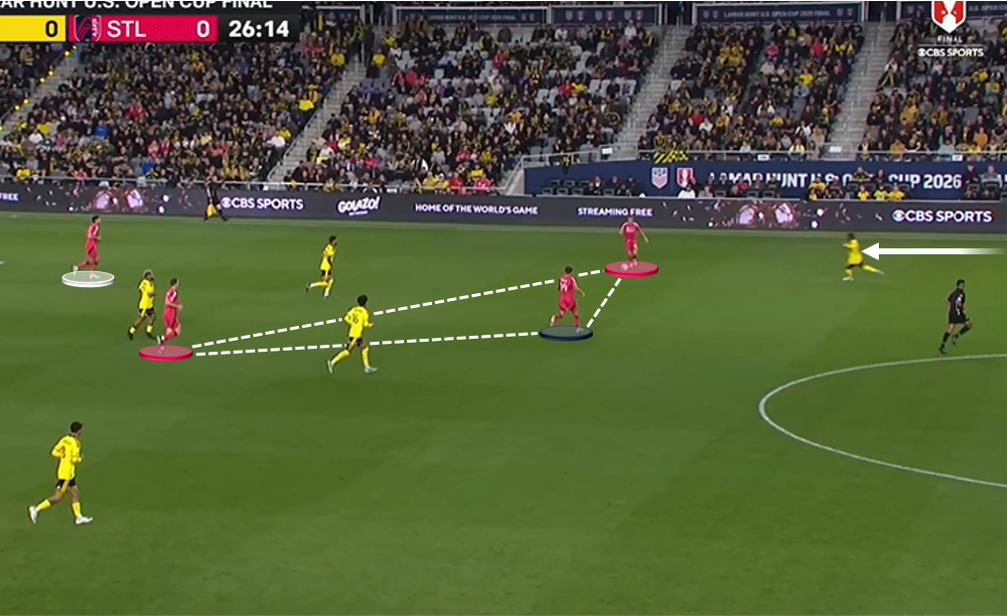
St. Louis was likelier to play big passes from the back to beat the press, but their best sequences came when the full flow of their possessive shape was on show. The goal was to bend Columbus’ front line while precluding their pivot from providing help. As Damet told Backheeled last week, “We have different structures that I like for different reasons, whether because it gives us a numerical advantage or it gives us a positional advantage and makes things difficult in terms of defensive references for the opposition.”
Above, that principle shows. Edelman (red, as a midfielder) has just received toward the left sideline with the nearest Crew winger pinned to center back Dante Polvara (white). In the center of the park, Durkin sits in to help sustain a sense of gravity through the middle. In many situations like this, St. Louis tucked right-sided Conrad Wallem inside; here, Wallem isn’t even in frame after having drawn a mark by pushing upfield. Instead, attacker Carlo Holse (dark blue) drops in to complete the passing triangle and grease the wheels through lines.