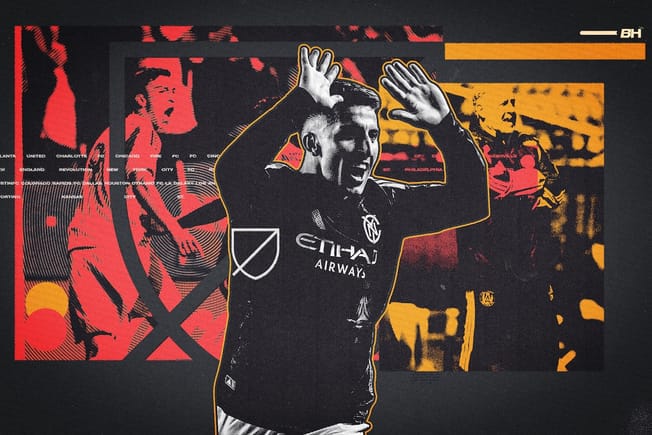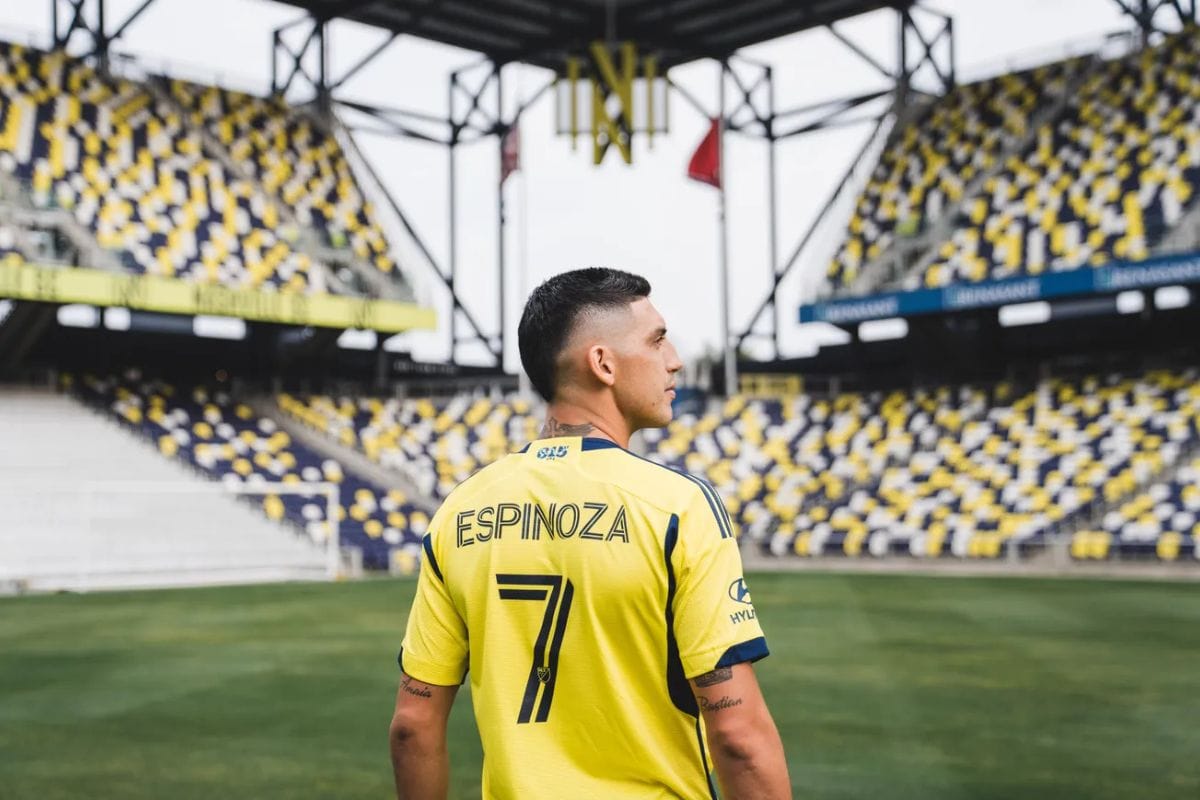
It’s July 30th, 2010. Inception is soaring at the box office, Spain are the new World Cup champions, and MLS is about half its current size with 16 teams. Much more consequently, some say, is that this was also the day Freddie Ljungberg was traded from the Seattle Sounders to the Chicago Fire for a 2011 second round SuperDraft pick.
It marked the first time that a Designated Player moved within MLS.
Since then, 27 more DPs have moved from one MLS club to another, with four of them having the distinction of being traded twice. That brings us to a total of 32 interleague DP moves in MLS history.
It’s not a new phenomenon, but it is a growing one. In the first 13 seasons of the DP rule, after its inception in 2007 and before the 2020 CBA, 19 DPs moved within the league. In the five seasons since, 14 DPs have done so, with eight coming in the past two seasons.
Two primary changes explain this sudden increase. The first is the expansion of free agency, which dropped the age eligibility requirement from 28 to 24 and, crucially, the years of service requirement from eight to five, and now four. The second change, and certainly the larger of the two, was the introduction of transfers within the league. Of course, MLS, being ever-eager for new lingo, calls those transfers cash trades. We’ll meet in the middle and call them cashfers. Previously, all non-free agency movement of players had to happen in exchange for MLS assets – things like SuperDraft picks, allocation money, international slots, or a good ol’ fashioned player trade.